
Investigation Links Sanctioned Russian Freighter's Sinking to Alleged Nuclear Transfer to North Korea
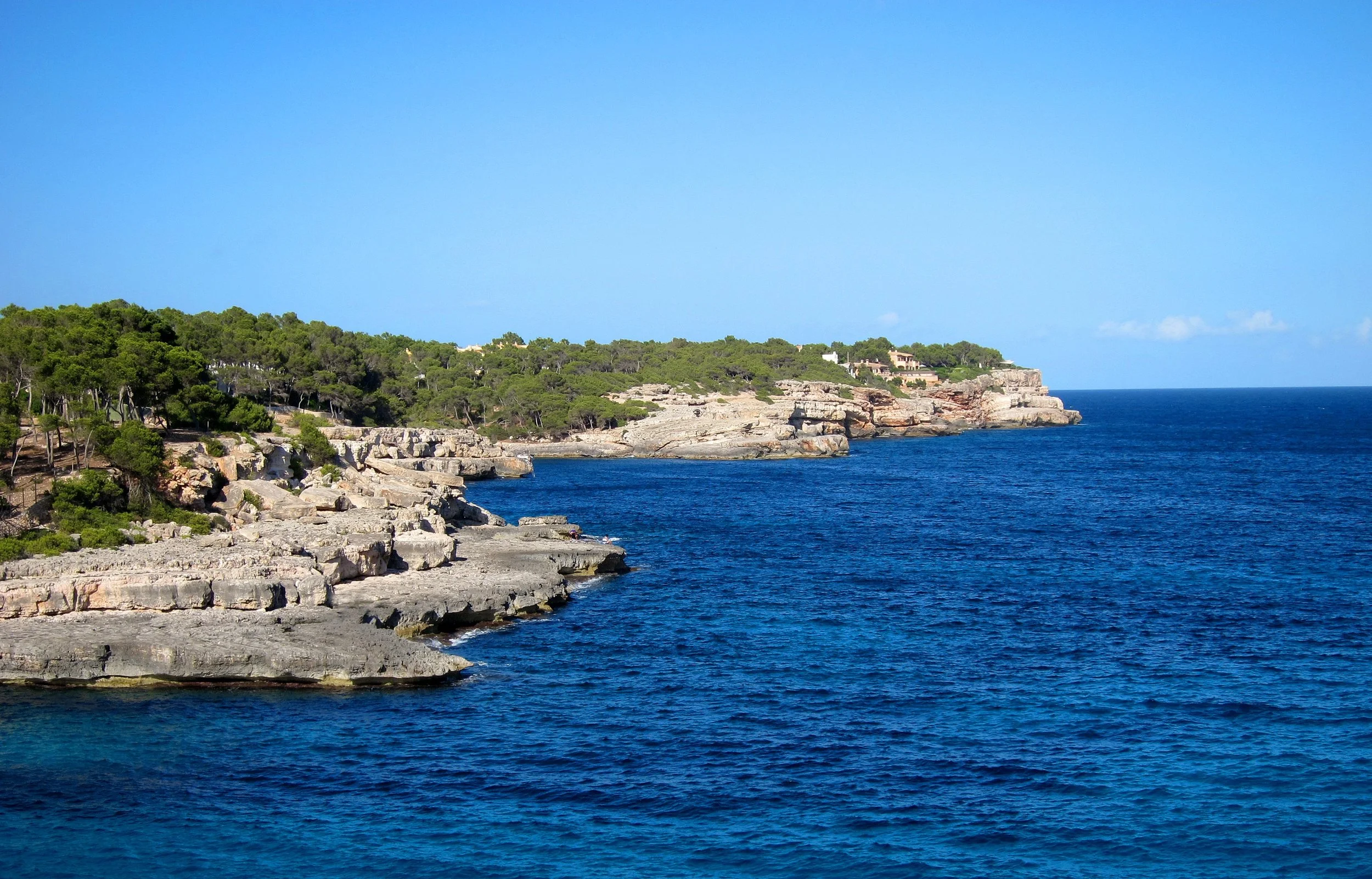
A wide shot of the western Mediterranean off the Spanish coast
A CNN investigation published on 12 May has revealed that the MV Ursa Major, a US-sanctioned Russian heavy-lift cargo ship that sank in the western Mediterranean on 23 December 2024, was allegedly carrying components for two submarine nuclear reactors intended for North Korea. The Spanish inquiry, drawing on testimony by the vessel's captain and documents reviewed by the regional newspaper La Verdad, has identified the cargo as VM-4SG reactor housings — a Soviet-era submarine propulsion design. The cause of the sinking is under active investigation; no government has claimed responsibility and Russia has attributed the loss to mechanical failure.
The Ursa Major was a 142-metre heavy-lift vessel owned by the Russian state corporation Oboronlogistika and operated by SK-Yug. She had served under the name Sparta III in Russian military sealift operations to Syria before being renamed in 2021. The US Treasury sanctioned her in May 2022 following Russia's invasion of Ukraine. She departed Ust-Luga in the Gulf of Finland on 11 December 2024, with her manifest declaring two "manhole covers," 129 empty shipping containers, and two Liebherr cranes — and listing Vladivostok as her stated destination. Her routing via the Mediterranean, a substantially longer path from the Baltic to Russia's Far East, is characteristic of the evasion routing used by Russia's broader ghost fleet, as documented by Lloyd's List Intelligence and WION News in reporting on her sanctioned ownership history.
The CNN investigation, corroborated by Euronews on 13 May, draws on testimony that the vessel's captain, Igor Anisimov, gave to Spanish investigators. Anisimov reportedly told investigators that the items declared on the manifest as "manhole covers" were in fact components for two nuclear reactors similar to those used in submarines, and that he expected the ship to be diverted to the North Korean port of Rason before reaching Vladivostok. He stated he was unsure whether the reactor components contained nuclear fuel. Spanish investigators separately identified the cargo as VM-4SG reactor housings in documents reviewed by La Verdad, according to Euronews. The VM-4SG is a Soviet-era pressurised-water reactor design used for submarine propulsion.
The Ursa Major went down approximately 60 nautical miles off the Spanish coast on 23 December after the crew reported three explosions on the starboard side near the engine room. A 50-centimetre-square hole was found in the hull, the metal bent inwards. Spain's National Seismic Network recorded four seismic events near the vessel's last position around the time of the sinking, according to CNN. Fourteen crew members were brought ashore at Cartagena; two are missing and presumed dead. The Kyiv Post documented the seismic sequence and hull damage in detail on 12 May.
In the months since the sinking, US WC-135 Constant Phoenix nuclear-detection aircraft overflew the wreck site in August 2025 and again in February 2026, according to CNN's analysis of public flight-tracking records. Russia's military oceanographic vessel Yantar was positioned over the wreck for approximately five days shortly after the loss. Spain's government issued a statement on the cargo only after pressure from opposition lawmakers, according to Euronews.
The cause of the sinking remains contested. One working hypothesis in the investigation is that the vessel was struck by a Barracuda supercavitating torpedo — a system operated by only a small number of navies — with the inward hull damage and seismic signature cited as consistent with this scenario. CNN reported this theory alongside an alternative involving a limpet mine; Maritime Executive has described the NATO/Western-interdiction theory as speculative. Russia has consistently attributed the sinking to engine room failure. No Western government has publicly addressed the matter.
The Ursa Major case represents the most specific public evidence to date of a Russian ghost fleet vessel allegedly carrying military-grade technology rather than oil. UN Security Council resolutions prohibit the transfer of weapons technology to North Korea; the movement of nuclear propulsion hardware — if confirmed — would constitute a material breach. The practice of falsifying manifests and using circuitous evasion routing has been extensively documented in Russian crude shipments, but the Spanish investigation, if its findings hold, extends that picture into a categorically different class of cargo.
The wreck remains on the seabed off Spain. The reactor housings, if present, have not been raised, and no formal published findings have been released by the Spanish authorities. The public record rests on the captain's testimony, the seismic data, the hull breach, and the documents reviewed by La Verdad — contested by Moscow and unconfirmed by any Western government.
MariTrace tracks sanctioned and high-risk vessel movements across European and global shipping corridors; the platform is available here.